.png)


Personalized Portion Guide For
Belen Rodriguez
Use this simple guide to build balanced meals anywhere — no tracking, no weighing. Your hand is your portion tool — always with you, perfectly sized for you.
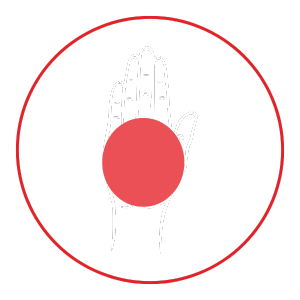
Protein: Palm-sized portion
Protein
Protein is essential for muscle repair, growth, and overall body function. It helps keep you feeling full and satisfied, which can aid in managing your eating habits and reducing reliance on takeaway meals.
Good sources of protein for you include Greek yogurt, cottage cheese, salmon, chicken breast, and plant-based options like lentils and chickpeas. You can also use collagen powder in your shakes for an added boost.
To incorporate more protein into your meals, consider starting your day with cottage cheese topped with fruit and nuts, or opt for a protein shake post-workout. When preparing lunch or dinner, aim for a palm-sized portion of chicken or salmon, and try to cook more at home to avoid greasy takeout.
You should aim for 5 servings of protein per day, which translates to about a palm-sized serving at each main meal.

Carbohydrates: Cupped hand-sized portion
Carbohydrates
Carbohydrates are the body's primary energy source, particularly important for your busy workdays. They can help fuel workouts and keep you energized throughout the day.
Great carb sources for you include oats, whole grain bread or wraps, quinoa, brown rice, and starchy vegetables like sweet potatoes. You can also include fruits like bananas and berries.
Incorporate carbs by ensuring your breakfast includes oats or a banana with your protein shake. For lunch or dinner, consider making a grain bowl with quinoa or brown rice, topped with your favorite protein and veggies to mimic the takeout dishes you enjoy.
You should aim for 8 servings of carbs per day, which could be distributed as 1-2 servings at breakfast, 2-3 servings at lunch, and 2-3 servings at dinner.

Fats: Thumb-sized portion
Fats
Fats are crucial for hormone regulation, nutrient absorption, and providing a concentrated source of energy. Including healthy fats can help keep you satiated, which may reduce cravings for unhealthy snacks.
Healthy fat sources for you include nuts (like almonds), avocado, olive oil, and fatty fish like salmon. You can also use nut butters like peanut butter in moderation.
Incorporate fats by adding a small handful of nuts to your breakfast or snacks, drizzling olive oil on your salads, or including avocado in your homemade bowls. Opt for nut butter as a topping for your Greek yogurt or overnight oats.
You should aim for 4 servings of fats per day, which can be a thumb-sized portion at each meal or as part of a snack.
Vegetables: Fist-sized portions
Example Day of Eating
Breakfast: Overnight oats made with 1/2 cup oats (2 servings carbs), 1/2 cup Greek yogurt (1 serving protein), topped with a handful of berries (1 serving carbs) and a few almonds (1 serving fat).
Lunch: Homemade Cilantro Lime Chicken bowl with 4 oz grilled chicken (2 servings protein), 1 cup quinoa (2 servings carbs), mixed greens (2 servings vegetables), and 1 tbsp olive oil (1 serving fat).
Dinner: Sheet pan salmon (4 oz, 2 servings protein) with 1 cup roasted sweet potatoes (2 servings carbs) and 1 cup steamed green beans (2 servings vegetables).
Snacks: 1 medium banana (1 serving carbs) and 2 tbsp peanut butter (1 serving fat). You can also have a small cup of Greek yogurt (1 serving protein) if you want a second snack.