.png)


Personalized Portion Guide For
Daniella Voysey Olson
Use this simple guide to build balanced meals anywhere — no tracking, no weighing. Your hand is your portion tool — always with you, perfectly sized for you.
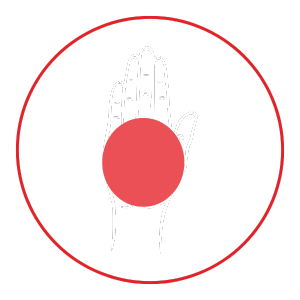
Protein: Palm-sized portion
Protein
Protein is essential for muscle repair and growth, making it crucial for anyone engaged in regular physical activity, including your fitness routine. Ensuring adequate protein intake will support your body’s recovery, help maintain muscle mass during weight loss if needed, and keep you feeling satisfied.
Good sources of protein that align with your preferences include Greek yogurt, chicken breast, turkey, lean beef, tofu, beans, and protein powder.
To incorporate protein into your meals, consider adding a scoop of protein powder to your Greek yogurt at breakfast, or opting for grilled chicken or tofu on your salad at lunch. Even as a snack, a protein bar can effectively contribute to your daily protein intake.
You should aim for 5 hand-sized servings of protein per day.

Carbohydrates: Cupped hand-sized portion
Carbohydrates
Carbohydrates are your body's primary source of energy, especially important when engaging in physical activities. They help fuel your workouts and keep your energy levels stable throughout the day.
Good carbohydrate sources include rice, quinoa, whole grain bread, sweet potatoes, oats, fruits, and beans.
To ensure you’re getting enough carbs, aim for a serving of rice or quinoa with your salads, and enjoy fruit as a snack or added to your breakfast yogurt. Choosing whole grains will also provide additional nutrients and fiber.
You should aim for 8 hand-sized servings of carbohydrates per day.

Fats: Thumb-sized portion
Fats
Healthy fats are vital for supporting cell function, hormone production, and overall health. They also provide a calorie-dense option for those looking to manage their weight while ensuring they still consume enough energy throughout the day.
Great sources of healthy fats include almonds, avocados, olive oil, and fatty fish like salmon.
Incorporate fats into your meals by adding a handful of almonds as a snack or including avocado in your salads. Drizzling olive oil on your vegetables can also enhance flavor while providing healthy fat.
You should aim for 4 hand-sized servings of fats per day.

Vegetables: Fist-sized portions
Vegetables
Vegetables are rich in vitamins, minerals, and fiber, making them crucial for overall health, digestive health, and maintaining a healthy weight. They can also help keep you full and satisfied, aiding in weight management.
Vegetable options include leafy greens (like spinach or kale), bell peppers, broccoli, carrots, and any other colorful vegetables you enjoy.
To easily incorporate vegetables into your meals, aim to fill half your plate with salad or steamed vegetables at lunch and dinner, and consider adding spinach to your breakfast yogurt or smoothie.
You should aim for 6-8 hand-sized servings of vegetables per day.