.png)


Personalized Portion Guide For
Jade Clayton
Use this simple guide to build balanced meals anywhere — no tracking, no weighing. Your hand is your portion tool — always with you, perfectly sized for you.
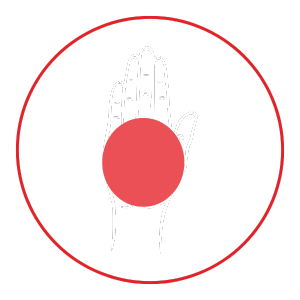
Protein: Palm-sized portion
Protein
Including adequate protein in your diet is essential for muscle repair, growth, and overall health, particularly as you engage in regular physical activity. It helps in maintaining satiety, which can curb unhealthy snacking.
Good sources of protein for you are grilled chicken, baked salmon, Greek yogurt, and legumes like chickpeas. These options align with your preferences and avoid any disliked foods.
To incorporate protein into your meals, consider adding grilled chicken to your kale salad or yogurt as a topping for your smoothie. Opt for a side of chickpeas in your roasted veggie dish.
You should aim for 5 hand-sized servings of protein each day.

Carbohydrates: Cupped hand-sized portion
Carbohydrates
Carbohydrates are vital for providing the energy needed to fuel your workouts and daily activities. They must be included in balanced portions to maintain energy levels and assist in recovery post-exercise.
Excellent carb sources for you include whole grain rice, quinoa, sweet potatoes, and specific fruits like bananas and berries, which can easily be added to your meals and snacks.
Incorporate carbs by serving your roasted veggies with a side of quinoa or having sweet potato alongside your chicken. Additionally, blend fruits into your smoothies for breakfast.
You'll want to include 8 hand-sized servings of carbohydrates throughout your day.

Fats: Thumb-sized portion
Fats
Healthy fats are crucial in helping absorb vitamins, supporting cell growth, and are a great source of energy. Incorporating the right types of fats can also help with inflammation and overall heart health.
Good sources of healthy fats include olive oil, nuts (like your chocolate-coated almonds), and avocados, all of which align with your current dietary habits.
Use olive oil as a dressing on your kale salad or drizzle over roasted vegetables. Snacking on a handful of almonds can also count towards your daily fat intake.
Aim for 4 hand-sized servings of fats each day.

Vegetables: Fist-sized portions
Vegetables
Vegetables are vital for providing essential vitamins, minerals, and fiber needed for overall body function and digestion. They also help to keep you full and can aid in weight management.
Good sources of veggies for you include leafy greens (like in your sweet kale salad), bell peppers, carrots, and cruciferous vegetables like broccoli.
Incorporate a variety of vegetables by adding roasted broccoli to your dinner or including a stir-fry of bell peppers and carrots with your salmon. Aim to have veggies with every meal to increase your intake.
Strive for 6-8 hand-sized servings of vegetables daily.