.png)


Personalized Portion Guide For
Jaz Rongokea
Use this simple guide to build balanced meals anywhere — no tracking, no weighing. Your hand is your portion tool — always with you, perfectly sized for you.
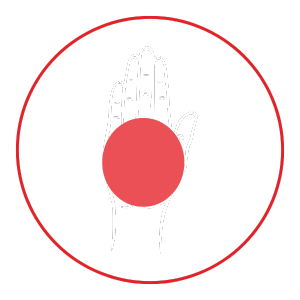
Protein: Palm-sized portion
Protein
Protein is essential for muscle repair and growth, especially with your active lifestyle. It helps in recovery and can keep you feeling full longer, which is important for maintaining your energy levels throughout the day.
Good sources of protein for you include chicken breast, egg whites, turkey, Greek yogurt, cottage cheese, and plant-based options like lentils and chickpeas, which are gluten-free and fit your preferences.
To incorporate protein into your meals, consider starting your day with a hearty egg white omelet and include grilled chicken or turkey slices in your lunch salad. For snacks, Greek yogurt with nuts can be a great addition.
You should aim for about 5 hand-sized servings of protein daily, which can include servings like 1 palm-sized portion of chicken or 1 cup of Greek yogurt.
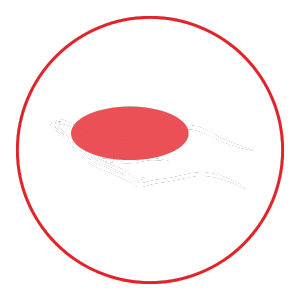
Carbohydrates: Cupped hand-sized portion
Carbohydrates
Carbs provide the energy needed for your workouts and daily activities. They are particularly important for fueling intense training sessions and maintaining your overall energy balance.
Good sources of carbohydrates for you include sweet potatoes, quinoa, brown rice, gluten-free bread, oatmeal, and fruits like bananas and berries. These align with your taste preferences and dietary restrictions.
For practical incorporation, consider having oatmeal or a smoothie with fruits like blueberries for breakfast. For lunch, your chicken salad can be served with quinoa or gluten-free bread, while dinner can include sweet potatoes or brown rice.
You should target around 8 hand-sized servings of carbohydrates a day. A serving can be roughly considered as a fist-sized amount of cooked grains or a medium-sized piece of fruit.
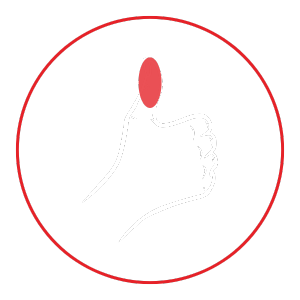
Fats: Thumb-sized portion
Fats
Healthy fats play a crucial role in hormone production and can keep you satiated. They are also important for absorbing fat-soluble vitamins and providing essential fatty acids.
Good sources of fats for you include nuts, seeds, avocados, olive oil, and nut butters. These options fit well with your dietary preferences and avoid any restricted or disliked foods.
To include healthy fats in your diet, you can top your salads with a drizzle of olive oil or sprinkle nuts and seeds on your yogurt or smoothies. For snacks, enjoy a handful of almonds or a tablespoon of nut butter.
Aim for about 4 hand-sized servings of fats each day, with each serving being roughly the size of your thumb (about a tablespoon of oil or nut butter or a small handful of nuts).

Vegetables: Fist-sized portions
Vegetables
Vegetables are vital for providing essential vitamins, minerals, and fiber, which play a key role in digestion and overall health. They also help reduce the risk of chronic diseases and support your fitness goals.
Great vegetable options for you include spinach, kale, broccoli, zucchini, carrots, bell peppers, and other colorful non-starchy vegetables that can be cooked or eaten raw.
To increase vegetable intake, try including a variety in each meal – add spinach to your omelet, a side of steamed broccoli with dinner, or a colorful salad with multiple veggies for lunch.
You should incorporate around 6–8 hand-sized servings of vegetables daily, with one serving being about a fist-sized portion of raw or cooked veggies.