.png)


Personalized Portion Guide For
Sarah Garrett
Use this simple guide to build balanced meals anywhere — no tracking, no weighing. Your hand is your portion tool — always with you, perfectly sized for you.
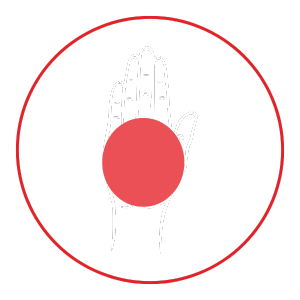
Protein: Palm-sized portion
Protein
Protein plays a crucial role in muscle repair and growth, which can help you maintain an active lifestyle. For your fitness goals, having adequate protein intake is vital to support your energy levels and keep you feeling satisfied.
Good sources of protein include low-fat Greek yogurt, eggs, chicken breast, turkey, tuna, and tofu. These fit well with your current preferences and dietary choices.
To easily incorporate protein into your meals, consider adding a scoop of protein powder to your smoothies, include a serving of chicken or tuna in your salads, or scramble eggs for breakfast. Tofu is great for stir-fries and can be seasoned to your liking.
You should aim for 5 hand-sized servings of protein each day.

Carbohydrates: Cupped hand-sized portion
Carbohydrates
Carbohydrates are the primary source of energy for your workouts and daily activities. Consuming the right amount helps maintain your energy levels, allowing you to perform well both mentally and physically throughout the day.
For healthy carbohydrate sources, focus on brown rice, potatoes, beans, fruits (like berries), and whole-grain bread. Your current meals already include many of these options.
Incorporate carbs easily by having a serving of brown rice with your dinners, adding berries to your breakfast yogurt, or including a piece of whole-grain bread with your lunch sandwiches. These choices align well with your lunch and dinner preferences.
Strive for 8 hand-sized servings of carbohydrates per day.

Fats: Thumb-sized portion
Fats
Healthy fats are essential for hormone production and overall cellular function. They also help you absorb fat-soluble vitamins, which can support your general health and fitness aspirations.
Include sources of healthy fats such as avocados, nuts, olive oil, and seeds. While these foods may not appear in your typical meals, they can easily complement your current diet.
To add healthy fats, drizzle olive oil on your salads, snack on a handful of nuts during busy work periods, or add avocado slices to any meal. These options can enhance flavors and provide good nutrition.
You're aiming for 4 hand-sized servings of fats each day.

Vegetables: Fist-sized portions
Vegetables
Vegetables are vital for their vitamins, minerals, and fiber content. They help support digestion and are linked to overall health, assisting in achieving and maintaining fitness goals.
Focus on using a variety of vegetables you enjoy, such as broccoli, chard, and leafy greens. These fit well with your current meal preferences.
For practical incorporation, add a mix of vegetables to your stir-frys or include plenty of salad greens with your lunches and dinners. Aim to vary the colors and types for maximal nutrient benefits.
You should consume 6–8 hand-sized servings of vegetables daily.