.png)


Personalized Portion Guide For
Shayna Hertz
Use this simple guide to build balanced meals anywhere — no tracking, no weighing. Your hand is your portion tool — always with you, perfectly sized for you.
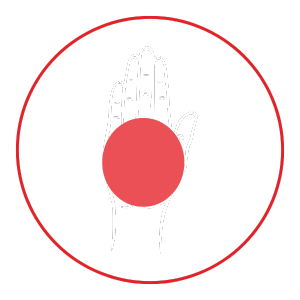
Protein: Palm-sized portion
Protein
Protein is essential for muscle repair, growth, and overall health, especially if you're active. It helps keep you feeling full and satisfied, which is important for managing hunger and maintaining a healthy weight.
Good sources of protein for you include: chicken, turkey, fish (like salmon or tuna), Greek yogurt, eggs, and legumes (like lentils and chickpeas). These options align with your dietary restrictions and preferences.
To incorporate protein into your meals, you can have Greek yogurt for breakfast, add chicken or fish to your salads, and enjoy eggs in a variety of ways. You can also opt for a protein-rich snack like nuts or a protein shake if you need an additional boost.
You should aim for 5 hand-sized servings of protein per day.

Carbohydrates: Cupped hand-sized portion
Carbohydrates
Carbohydrates are the body's primary source of energy. They are important for fueling your workouts and daily activities. Choosing the right types of carbs can help manage energy levels and support overall health.
Recommended sources of carbohydrates for you include whole grain bread, sweet potatoes, potatoes, quinoa, oats, and berries. These options avoid the rice you dislike and align with your taste for sour fruits.
Incorporate carbs by having whole grain toast with breakfast, sweet potatoes with dinner, and adding oats to your yogurt. You can also include fruits like berries as a snack or in your yogurt.
You should aim for 8 hand-sized servings of carbohydrates per day.

Fats: Thumb-sized portion
Fats
Fats are vital for hormone production, nutrient absorption, and overall health. They provide a concentrated source of energy and help keep you satisfied between meals.
Healthy fat sources that suit your preferences include avocado, olive oil, nuts, seeds, and fatty fish like salmon. These fats are beneficial and align with your dietary preferences.
To include healthy fats in your diet, consider adding avocado to your morning toast, using olive oil in your salads, and snacking on a handful of nuts. You can also enjoy fatty fish in your dinner preparations.
You should aim for 4 hand-sized servings of fats per day.

Vegetables: Fist-sized portions
Example Day of Eating
Breakfast: Greek yogurt (1 serving protein) topped with berries (1 serving carbs) and a drizzle of honey (optional, minimal sweetness). Total: 1 protein, 1 carb.
Lunch: Salad with grilled chicken (2 servings protein), mixed greens, cucumbers, and olive oil dressing (1 serving fat), with a slice of whole grain toast (1 serving carb). Total: 2 protein, 1 fat, 1 carb.
Dinner: Baked salmon (2 servings protein) with a side of roasted sweet potatoes (2 servings carbs) and steamed broccoli (2 servings vegetables). Total: 2 protein, 2 carbs, 2 vegetables.
Snacks: A handful of mixed nuts (1 serving fat), dark chocolate (1 serving fat), and a piece of fruit (1 serving carbs). Total: 1 fat, 1 carb.