.png)


Personalized Portion Guide For
Bob Rolfe
Use this simple guide to build balanced meals anywhere — no tracking, no weighing. Your hand is your portion tool — always with you, perfectly sized for you.
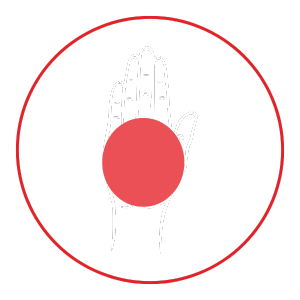
Protein: Palm-sized portion
Protein
Protein is essential for muscle repair, growth, and overall health. As you are active, meeting your protein needs will help support your fitness goals, whether it's building muscle or maintaining a healthy weight.
Good sources of protein for you include grilled chicken breast, baked salmon, cod, flank steak, eggs, ham, and Greek yogurt. These options align well with your preferences and avoid any disliked foods.
To incorporate protein into your meals, you can start your day with eggs, enjoy a grilled chicken breast for lunch, and include fish or beef for dinner. Greek yogurt can be a great snack or addition to breakfast. Aim for a palm-sized serving for each protein option.
Hand-sized servings per day: 5 servings.

Carbohydrates: Cupped hand-sized portion
Carbohydrates
Carbohydrates provide energy necessary for your daily activities and workouts. Choosing the right types of carbs will fuel your body efficiently while keeping you satisfied.
Recommended carb sources include granola, bagels, corn on the cob, and fruits like oranges, grapes, cherries, and blueberries. These choices align with your typical meals and preferences while avoiding any disliked foods.
To implement carbs into your meals, enjoy granola at breakfast, have a bagel on weekends, and include corn on the cob as a side for dinner. Fruits can be great snacks or dessert options throughout the day.
Hand-sized servings per day: 8 servings.

Fats: Thumb-sized portion
Fats
Healthy fats are crucial for hormone production, brain health, and overall well-being. Including the right types of fats in your diet can help you feel fuller longer and support your fitness goals.
Good sources of fats for you include the fat found in eggs, fatty fish (like salmon), avocado, and olive oil. These options suit your dietary preferences and avoid disliked foods.
Incorporate fats by using olive oil for cooking or salad dressings, enjoying salmon for dinner, and adding avocado to your meals. You can also cook your eggs in a bit of olive oil for added healthy fats.
Hand-sized servings per day: 4 servings.

Vegetables: Fist-sized portions
Example Day of Eating
Breakfast: 1 bowl of granola (2 servings carbs) mixed with 1 cup of milk (1 serving protein).
Protein: 1 egg (1 serving protein) scrambled with ham (1 serving protein).
Total: 1 protein serving, 2 carb servings.
Lunch: 1 hamburger on a bun (3 servings carbs, 2 servings protein) with a side salad (1 serving vegetables).
Total: 2 protein servings, 3 carb servings, 1 vegetable serving.
Dinner: 1 grilled chicken breast (2 servings protein) with 1 cup of corn on the cob (1 serving carbs) and a salad (2 servings vegetables).
Total: 2 protein servings, 1 carb serving, 2 vegetable servings.
Snacks: 1 serving of Greek yogurt (1 serving protein) and 1 orange (1 serving carbs).
Total: 1 protein serving, 1 carb serving.
Daily Totals: 5 servings protein, 8 servings carbs, 4 servings fats, 6 vegetable servings.
.