


Personalized Portion Guide For
H Thornton
Use this simple guide to build balanced meals anywhere — no tracking, no weighing. Your hand is your portion tool — always with you, perfectly sized for you.
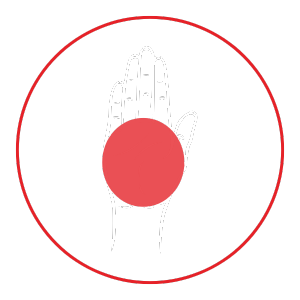
Protein: Palm-sized portion
Protein
Protein is essential for muscle repair, growth, and overall health, especially for someone with an active lifestyle. It helps in maintaining muscle mass while supporting weight management.
Great sources of protein for you include eggs, chicken, tuna, tofu, and fish like salmon. These options align with your preferences and avoid any disliked foods.
To incorporate protein into your meals, consider having eggs or yogurt with fruit for breakfast, a chicken salad for lunch, or a fish dinner. You can also add tofu to stir-fries or salads for a vegetarian option.
You should aim for 5 hand-sized servings of protein per day.

Carbohydrates: Cupped hand-sized portion
Carbohydrates
Carbohydrates are your body's primary energy source, crucial for fueling workouts and daily activities. They also play a role in recovery after exercise.
Good carbohydrate sources include whole grains like brown rice and bagels, fruits, and vegetables. These are in line with your usual meals and preferences.
For breakfast, you could pair a bagel with smoked salmon and cream cheese or have brown rice with your lunch. Incorporating fruits like bananas or berries as snacks will also help reach your carb goals.
You should aim for 8 hand-sized servings of carbohydrates per day.
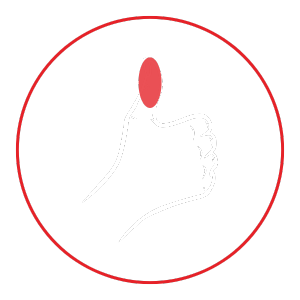
Fats: Thumb-sized portion
Fats
Healthy fats are vital for hormone production, nutrient absorption, and overall cellular health. They also provide a concentrated source of energy.
Consider healthy fat sources like avocado, olive oil, and nuts. These not only align with your preferences but add flavor to meals.
Add avocado to your breakfast sandwich or drizzle olive oil on your roasted veggies at dinner. Including a handful of nuts as a snack can also help meet your fat needs.
You should aim for 4 hand-sized servings of fats per day.
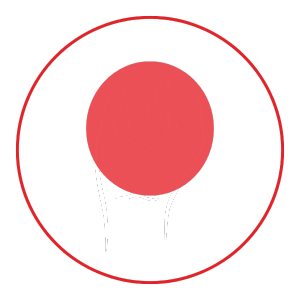
Vegetables: Fist-sized portions
Example Day of Eating
Breakfast: 1 egg (1 serving protein), 1 bagel with smoked salmon (2 servings carbs, 1 serving fat), and fruit (1 serving carbs).
Lunch: Grilled chicken salad with leafy greens, cucumber, and 1 cup of brown rice (2 servings protein, 2 servings carbs, 2 servings vegetables).
Dinner: 6 oz salmon (2 servings protein), 1 cup of rice (2 servings carbs), and 2 cups of roasted veggies (3 servings vegetables, 1 serving fat from olive oil).
Snacks: Yogurt (1 serving protein), a handful of nuts (1 serving fat), and popcorn (2 servings carbs).