.png)


Personalized Portion Guide For
Puja Bhatt
Use this simple guide to build balanced meals anywhere — no tracking, no weighing. Your hand is your portion tool — always with you, perfectly sized for you.
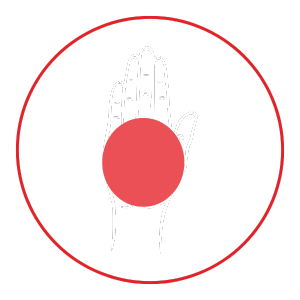
Protein: Palm-sized portion
Protein
Protein is essential for muscle repair, growth, and overall body function. As a vegetarian, it's crucial to incorporate adequate protein sources to support your fitness goals and maintain energy levels throughout the day.
Good sources include Greek yogurt, cottage cheese, eggs, lentils, chickpeas, black beans, tofu, tempeh, and edamame. These options align with your dietary preferences and restrictions.
Incorporate these proteins into your meals by adding Greek yogurt to your breakfast, mixing lentils or chickpeas into your lunch wraps, and using tofu or beans in your dinner bowls. Consider protein-rich snacks like a small serving of edamame or a cottage cheese bowl.
Aim for 5 hand-sized servings of protein per day, which can be divided among your meals and snacks.

Carbohydrates: Cupped hand-sized portion
Carbohydrates
Carbohydrates are a primary energy source, vital for fueling your workouts and daily activities. Choosing the right types of carbs will help maintain your energy levels and support overall health.
Good sources for you include whole grains like brown rice, quinoa, oats, whole grain bread, fruits (excluding pitted fruits), and starchy vegetables such as sweet potatoes. These options will keep your meals satisfying and nutritious.
In your meals, utilize whole grain bread for breakfast, include brown rice or quinoa in your lunch wraps, and serve pasta or sweet potatoes with your dinners. You can also enjoy fruits like bananas, apples, or berries as part of your meals or snacks.
Aim for 8 hand-sized servings of carbohydrates per day, which can be spread across all meals.
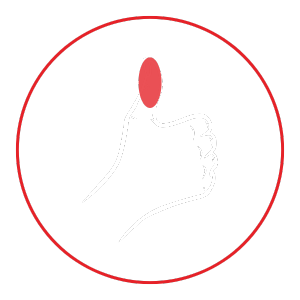
Fats: Thumb-sized portion
Fats
Healthy fats are crucial for hormone production, nutrient absorption, and overall health. Including the right fats in your diet is important for maintaining energy and supporting your fitness goals.
Good sources include avocados, nuts, seeds, olive oil, and cheese. These options fit well with your vegetarian diet and can enhance the flavors of your meals.
Incorporate fats by adding avocado to your breakfast toast, drizzling olive oil on your sautéed veggies at lunch, or including a small serving of nuts as a topping for your dinner bowls. Cheese can also be a great addition to your meals.
Aim for 4 hand-sized servings of fats per day, which can be mixed into various meals.
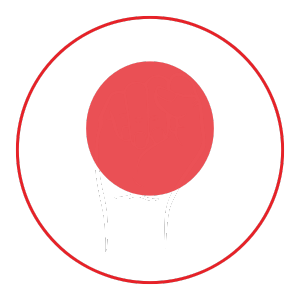
Vegetables: Fist-sized portions
Vegetables
Vegetables are packed with vitamins, minerals, and fiber, which are essential for overall health and digestion. They help you feel full and satisfied while providing important nutrients for your body.
Good vegetable sources include spinach, broccoli, zucchini, peppers, carrots, and any seasonal vegetables you enjoy. These align well with your typical meals and can easily be added to your diet.
Incorporate a variety of veggies into your meals by adding them to your breakfast omelet, including them in your lunch wrap, or serving them as a side with dinner. Aim for a colorful plate to maximize nutrient intake.
Aim for 6-8 hand-sized servings of vegetables per day, which can be spread throughout your meals.