.png)


Personalized Portion Guide For
Shraddha Patel
Use this simple guide to build balanced meals anywhere — no tracking, no weighing. Your hand is your portion tool — always with you, perfectly sized for you.
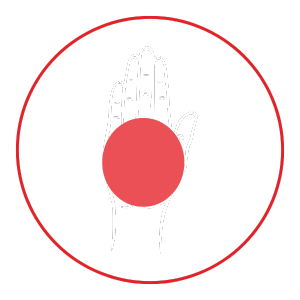
Protein: Palm-sized portion
Protein
Protein is essential for muscle repair and growth, especially important for maintaining a healthy body composition and energy levels, which are critical for your fitness goals as a vegetarian.
Good sources of protein for you include tofu, tempeh, Greek yogurt, legumes like black beans and lentils, and plant-based protein powders.
To incorporate protein into your meals, consider adding tofu to your stir-fries, using black beans in your enchiladas, or having Greek yogurt as a snack. You can also blend some protein powder into your morning latte or smoothies.
You should aim for 5 hand-sized servings of protein per day.
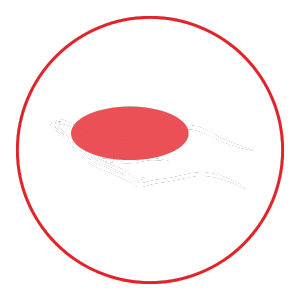
Carbohydrates: Cupped hand-sized portion
Carbohydrates
Carbs are a primary energy source for your body, especially crucial for fueling workouts and daily activities. They help your body recover and perform optimally.
As a vegetarian, excellent sources of carbs include whole grains like quinoa and brown rice, starchy vegetables like sweet potatoes, fruits, and legumes.
In your meals, focus on incorporating quinoa into your salads, using brown rice as a base for your fried rice, or enjoying sweet potatoes as a side dish. Consider having a piece of fruit or whole grain toast as a snack.
Aim for 8 hand-sized servings of carbohydrates daily.
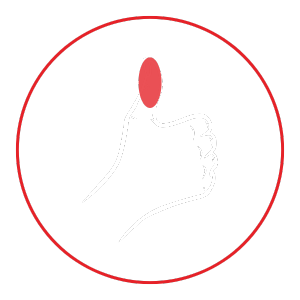
Fats: Thumb-sized portion
Fats
Healthy fats are vital for hormone production, nutrient absorption, and providing long-lasting energy. They also support brain health, which is essential for overall wellness.
Good sources of healthy fats for you include avocados, nuts, seeds, and olive oil. Since you enjoy cooking, you can use olive oil in dressings or when sautéing vegetables.
Incorporate fats by adding a handful of nuts to your snacks, spreading avocado on your toast, or drizzling olive oil over your salads or cooked vegetables.
You should be aiming for 4 hand-sized servings of fats each day.

Vegetables: Fist-sized portions
Vegetables
Vegetables are packed with vitamins, minerals, and fiber, which are essential for digestion, health, and maintaining energy levels throughout the day.
As a vegetarian, focus on a variety of colorful vegetables like broccoli, spinach, bell peppers, and carrots. These will provide you with different nutrients and antioxidants.
To increase your vegetable intake, try adding spinach to your omelette, having a side salad with lunch, and including steamed or roasted vegetables with dinner. You can also snack on carrot sticks or bell pepper slices.
Aim for 6-8 hand-sized servings of vegetables each day.